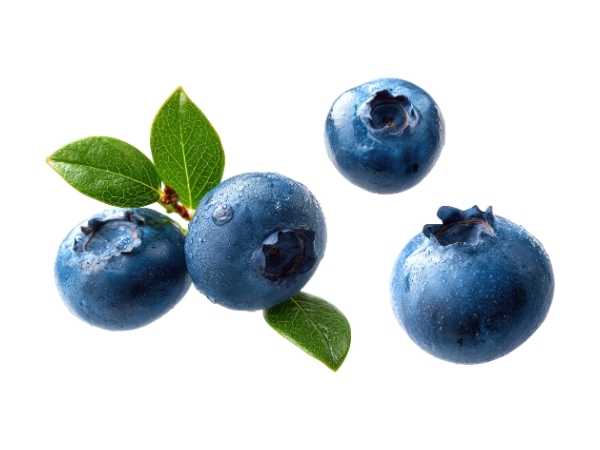
Blueberry
Vaccinium corymbosum
Common Names: Blueberry, Highbush Blueberry, Northern Highbush Blueberry
Local Name: Neelabadari (Hindi)
Family: Ericaceae
Origin: Eastern North America
Plant Type: Perennial deciduous shrub
Variety: Highbush, Rabbiteye, and Southern Highbush types
Average Lifespan: 20–50 years with proper care
🌿 Botanical Description
| Growth Habit | Upright to spreading deciduous shrub with multiple stems |
| Plant Size | 1–3 meters tall (highbush); compact varieties 0.5–1 m |
| Leaves | Simple, alternate, elliptic, 3–8 cm long; bright green turning brilliant red in autumn |
| Flowers | White to pale pink, bell-shaped (urceolate), 6–12 mm long, in clusters |
| Flower Characteristics | Pendulous clusters of 5–10 flowers; mildly fragrant; bloom before full leaf-out |
| Fruit | Round berry, 5–16 mm diameter; sweet with slight tartness; waxy bloom on skin |
| Fruit Color | Deep blue to blue-black with powdery white bloom |
| Seed Characteristics | Numerous tiny seeds inside berry; barely noticeable when eating |
| Root System | Shallow, fibrous root system; no root hairs — relies on mycorrhizal fungi |
☀ Growing Conditions
| Climate | Temperate; requires winter chill; Southern Highbush for warmer areas |
| Temperature Range | 16–25°C ideal; requires 400–1000 chill hours (highbush) |
| Rainfall Requirement | 750–1250 mm annually; consistent moisture needed |
| Soil Type | Acidic, well-drained, sandy loam rich in organic matter |
| Soil pH Preference | 4.5–5.5 (strongly acidic — critical requirement) |
| Sun Requirement | Full sun (6–8 hours daily); tolerates light afternoon shade |
| Spacing | 1–1.5 meters between plants; 2.5–3 meters between rows |
| Irrigation Method | Drip irrigation; consistent moisture essential |
| Water Requirement | Moderate to high; 25–50 mm per week; sensitive to drought |
| Can it Grow in Pots? | Yes, excellent in 20–40 liter pots with acidic potting mix |
🌾 Cultivation & Care
| Fertilizer Schedule | Early spring; use acid-forming fertilizers; avoid lime |
| Recommended Organic Fertilizers | Cottonseed meal, pine needle compost, sulfur, acidic compost |
| Pesticide Frequency | Monitor regularly; treat as needed |
| Recommended Organic Pesticides | Neem oil, Bt for caterpillars, bird netting for fruit protection |
| Mulching Practice | Pine bark, pine needles, or sawdust mulch (5–10 cm) to maintain acidity |
| Training System | Open vase shape; remove oldest canes annually |
| Pruning Time | Late winter while dormant (January–February) |
| How to Prune | Remove oldest canes (6+ years); thin weak growth; tip-prune for larger berries |
| Common Pests | Blueberry maggot, spotted wing drosophila, birds, Japanese beetle |
| Common Diseases | Mummy berry, botrytis blight, phytophthora root rot, anthracnose |
| Disease Prevention & Remedies | Good drainage, mulching, remove mummified fruit, fungicide sprays if needed |
🌸 Flowering & Fruiting
| Flowering Months | March–May (depending on variety and region) |
| Fruiting Season | June–August; harvest over 2–5 weeks |
| Days to Harvest | 60–90 days from flowering |
| Harvest Indicators | Berries turn fully blue, detach easily; wait 2–3 days after turning blue for best sweetness |
| Average Yield per Plant | 2–7 kg per bush per season (mature) |
| Pollination Type | Cross-pollination greatly improves yield |
| Pollination Notes | Plant 2+ varieties for best fruit set; bumblebees are most effective pollinators |
🌱 Pollination & Propagation
| Pollination Details | Partially self-fertile; cross-pollination with different variety increases yield 50–100% |
| Propagation by Seeds | Possible but very slow; cold stratification needed; not true-to-type |
| Propagation by Cuttings | Softwood cuttings in summer; hardwood cuttings in winter; root in 6–8 weeks |
| Propagation by Grafting | Not commonly grafted; tissue culture used for commercial propagation |
💧 Environmental Impact & Sustainability
| Water Usage | Moderate; efficient with drip irrigation and mulching |
| Soil Conservation Practices | Dense root system holds soil; mulching prevents erosion |
| Organic Practices Used | Pine mulching, composting, biological pest control, cover cropping |
| Companion Plants | Azaleas, rhododendrons (similar acid needs), clover, ferns |
| Biodiversity Benefits | Flowers support native bees; fruit feeds birds and wildlife; autumn foliage adds beauty |
💰 Economic Importance
| Commercial Production Regions | USA (Michigan, Oregon, New Jersey), Chile, Peru, Canada, Spain |
| Market Uses | Fresh fruit, frozen berries, dried berries |
| Processing Uses | Jam, juice, wine, muffins, pancakes, smoothies, supplements |
| Market Value (Approx.) | ₹800–2000 per kg (India); $3–8 per pint (USA) |
🌿 Cultural Significance
| Symbolism | Native American "star berry" — star-shaped calyx; symbol of health and vitality |
| Traditional Uses | Native Americans used berries fresh, dried, and in pemmican; leaf tea for blood sugar support |
🍈 Nutritional Information
| Calories | 57 kcal per 100g |
| Dietary Fiber | 2.4 g per 100g |
| Vitamin C | 9.7 mg per 100g |
| Vitamin A | 54 IU per 100g |
| Iron | 0.28 mg per 100g |
| Potassium | 77 mg per 100g |
| Antioxidants | Extremely high in anthocyanins, pterostilbene, resveratrol, quercetin |
| Other Key Nutrients | Vitamin K, manganese, vitamin E, vitamin B6 |
🌿 Medicinal Uses
| Anxiety & Sleep | Not a primary use; antioxidants may support brain health |
| Immune Support | Anthocyanins and vitamin C support immune function |
| Anti-inflammatory Properties | Among the highest antioxidant fruits; strong anti-inflammatory effects |
| Heart Health | Regular consumption linked to reduced blood pressure and improved cholesterol |
| Digestive Health | Fiber supports gut health; anthocyanins may benefit gut microbiome |
Disclaimer: Information provided is for educational purposes only and not a substitute for medical advice.
📸 Photo Gallery
📝 Orchard Observation Notes
Add your field observations here.