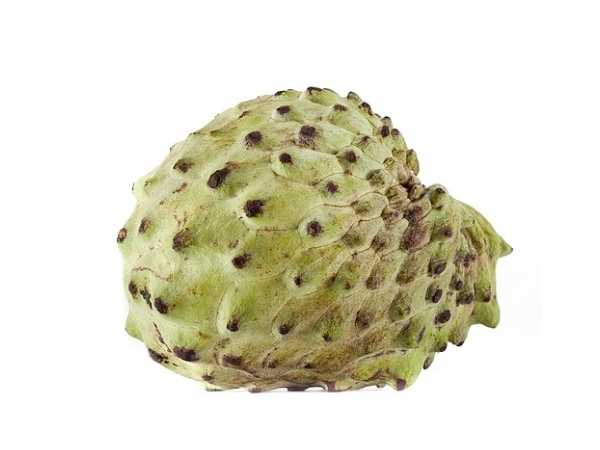
Custard Apple - Atemoya
Annona × atemoya
Common Names: Atemoya, Custard Apple (Australia), Pineapple Sugar Apple
Local Name: Atemoya (universal), Hybrid Sitaphal (Hindi)
Family: Annonaceae
Origin: Hybrid — cross of Cherimoya (A. cherimola) × Sugar Apple (A. squamosa); first created in 1908
Plant Type: Perennial semi-deciduous tree
Variety: Atemoya — combines cherimoya's flavor with sugar apple's tropical hardiness
Average Lifespan: 20–35 years
🌿 Botanical Description
| Growth Habit | Small to medium semi-deciduous tree with spreading, open canopy |
| Plant Size | 4–8 meters tall; canopy spread 4–6 meters |
| Leaves | Alternate, simple, ovate to elliptic, 8–15 cm long; medium green, slightly hairy |
| Flowers | Greenish-yellow, fleshy, pendulous, 3–4 cm long; larger than sugar apple flowers |
| Flower Characteristics | 3 thick outer petals; protogynous; fragrant; beetle-pollinated |
| Fruit | Heart-shaped to round, 8–15 cm diameter; bumpy surface; creamy white, custard-like pulp |
| Fruit Color | Pale green to yellowish-green when ripe; smooth to slightly bumpy skin |
| Seed Characteristics | Fewer seeds than sugar apple; dark brown, 1.5–2 cm; hard, smooth |
| Root System | Shallow to moderately deep fibrous root system |
☀ Growing Conditions
| Climate | Tropical to warm subtropical; more cold-tolerant than sugar apple |
| Temperature Range | 20–32°C ideal; tolerates brief frost to -2°C (more than sugar apple) |
| Rainfall Requirement | 700–2000 mm annually; dry period beneficial for flowering |
| Soil Type | Well-drained sandy loam to loam; rich in organic matter |
| Soil pH Preference | 6.0–7.5 |
| Sun Requirement | Full sun (6+ hours daily); protect from strong winds |
| Spacing | 5–7 meters between trees |
| Irrigation Method | Drip or basin irrigation; consistent moisture during fruiting |
| Water Requirement | Moderate; increase during flowering and fruiting |
| Can it Grow in Pots? | Yes, in 30–50 liter pots; manageable size for container growing |
🌾 Cultivation & Care
| Fertilizer Schedule | 4 times per year; quarterly applications during growing season |
| Recommended Organic Fertilizers | Compost, FYM, bone meal, seaweed extract, potash |
| Pesticide Frequency | Monitor regularly; treat as needed |
| Recommended Organic Pesticides | Neem oil for mealybugs and scale; fruit bagging for borer protection |
| Mulching Practice | Thick organic mulch to retain moisture and protect shallow roots |
| Training System | Open center; maintain low canopy for hand pollination access |
| Pruning Time | During dormancy; before new growth flush |
| How to Prune | Moderate pruning to shape; remove dead wood; tip-prune for branching |
| Common Pests | Mealybug, chalcid wasp (seed borer), scale insects, fruit fly |
| Common Diseases | Anthracnose, purple blotch, root rot, dieback |
| Disease Prevention & Remedies | Good drainage, air circulation, copper fungicides, fruit bagging |
🌸 Flowering & Fruiting
| Flowering Months | May–August (India); spring to summer |
| Fruiting Season | September–January; fruits ripen progressively |
| Days to Harvest | 120–160 days from flowering |
| Harvest Indicators | Fruit turns pale green-yellow, skin gives to gentle pressure, sweet aroma develops |
| Average Yield per Plant | 30–80 fruits per tree (mature); 25–60 kg |
| Pollination Type | Cross-pollination by beetles; hand pollination essential for good yield |
| Pollination Notes | Hand pollination critical — collect pollen from male-phase flowers, apply to female-phase flowers |
🌱 Pollination & Propagation
| Pollination Details | Protogynous; hand pollination increases fruit set from under 10% to over 70% |
| Propagation by Seeds | Seeds germinate in 3–6 weeks; seedlings highly variable (hybrid) |
| Propagation by Cuttings | Difficult; air layering possible but slow |
| Propagation by Grafting | Veneer or cleft grafting on A. squamosa rootstock (preferred); fruits in 2–4 years |
💧 Environmental Impact & Sustainability
| Water Usage | Moderate; efficient with drip irrigation and mulching |
| Soil Conservation Practices | Root system holds soil; grows on marginal lands |
| Organic Practices Used | Composting, panchagavya, biological pest control |
| Companion Plants | Leguminous cover crops, herbs, short-duration vegetables |
| Biodiversity Benefits | Flowers support beetle pollinators; fruit feeds birds and bats |
💰 Economic Importance
| Commercial Production Regions | Australia (Queensland), Florida (USA), Israel, Brazil, India, Taiwan |
| Market Uses | Premium fresh fruit, specialty markets |
| Processing Uses | Pulp, ice cream, smoothies, desserts, frozen pulp |
| Market Value (Approx.) | ₹150–400 per kg (premium fruit); $5–15 per fruit (USA/Australia) |
🌿 Cultural Significance
| Symbolism | Represents the best of both parent species; valued as a premium tropical fruit worldwide |
| Traditional Uses | Fruit eaten fresh as a delicacy; considered one of the finest tropical fruits; gaining popularity in India |
🍈 Nutritional Information
| Calories | 94 kcal per 100g |
| Dietary Fiber | 3.0 g per 100g |
| Vitamin C | 36 mg per 100g |
| Vitamin A | 33 IU per 100g |
| Iron | 0.7 mg per 100g |
| Potassium | 382 mg per 100g |
| Antioxidants | Contains acetogenins, flavonoids, polyphenols |
| Other Key Nutrients | Magnesium, phosphorus, vitamin B6, niacin, thiamine |
🌿 Medicinal Uses
| Anxiety & Sleep | Not a primary use; fruit is calming and easily digestible |
| Immune Support | Good vitamin C content supports immune function |
| Anti-inflammatory Properties | Acetogenins and flavonoids show anti-inflammatory activity in studies |
| Heart Health | Potassium and magnesium support cardiovascular health; fiber aids cholesterol management |
| Digestive Health | High fiber and soft pulp aid digestion; easily digestible fruit |
Disclaimer: Information provided is for educational purposes only and not a substitute for medical advice.
📸 Photo Gallery
📝 Orchard Observation Notes
Add your field observations here.