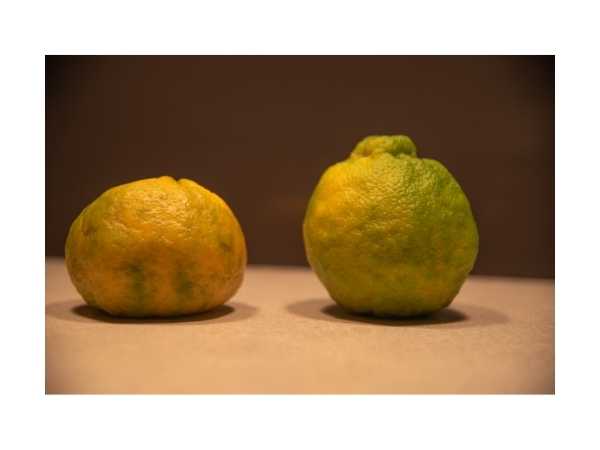
Kamala Orange
Citrus reticulata
Common Names: Kamala Orange, Mandarin Orange, Tangerine, Loose-skin Orange
Local Name: Kamala Pazham (Tamil), Santra (Hindi), Kamala (Kannada)
Family: Rutaceae
Origin: Southeast Asia (China, India); widely cultivated in tropical and subtropical regions
Plant Type: Perennial evergreen small tree or shrub
Variety: Kamala — Indian mandarin variety; loose, easy-peel skin; sweet-tart flavor
Average Lifespan: 20–50 years
🌿 Botanical Description
| Growth Habit | Small evergreen tree with rounded, spreading canopy; slightly thorny branches |
| Plant Size | 3–6 meters tall; canopy spread 3–4 meters |
| Leaves | Alternate, lanceolate to ovate; 5–10 cm long; glossy dark green; aromatic when crushed; winged petiole |
| Flowers | White, 5-petaled; 1.5–2 cm across; intensely fragrant; borne singly or in small clusters |
| Flower Characteristics | Highly fragrant; self-fertile; blooms in spring; attracts bees |
| Fruit | Oblate to round; 5–8 cm diameter; loose, easy-peel skin; 8–12 segments; sweet-tart pulp |
| Fruit Color | Orange to deep orange when ripe; green in tropical climates even when ripe |
| Seed Characteristics | 5–15 seeds per fruit; oval, white; polyembryonic |
| Root System | Moderately deep fibrous root system; sensitive to waterlogging |
☀ Growing Conditions
| Climate | Subtropical to tropical; needs cool dry period for fruit coloring and sweetness |
| Temperature Range | 15–35°C; best fruit quality with cool winters (10–15°C nights) |
| Rainfall Requirement | 750–1500 mm; dry period needed for flowering and fruit quality |
| Soil Type | Well-drained sandy loam to loam; rich in organic matter |
| Soil pH Preference | 5.5–7.0 |
| Sun Requirement | Full sun (6+ hours daily) |
| Spacing | 4–6 meters between trees |
| Irrigation Method | Drip irrigation; regular watering; reduce before harvest for sweetness |
| Water Requirement | Moderate; consistent moisture during fruit development |
| Can it Grow in Pots? | Yes, in 40–60 liter pots; dwarf rootstocks preferred for container growing |
🌾 Cultivation & Care
| Fertilizer Schedule | 3–4 times per year; pre-flowering, fruit set, fruit development, post-harvest |
| Recommended Organic Fertilizers | FYM, vermicompost, neem cake, bone meal, wood ash, citrus-specific compost |
| Pesticide Frequency | Monthly preventive; treat immediately if pests appear |
| Recommended Organic Pesticides | Neem oil for citrus psylla, scale, and mites; copper fungicide for fungal diseases |
| Mulching Practice | Organic mulch 10–15 cm deep; keep away from trunk |
| Training System | Open center or modified leader; keep canopy open for light penetration |
| Pruning Time | After harvest; remove dead, diseased, and crossing branches |
| How to Prune | Light pruning to shape; remove water shoots; thin crowded branches for air circulation |
| Common Pests | Citrus psylla, leaf miner, scale insects, mealybugs, fruit fly |
| Common Diseases | Citrus canker, greening (HLB), gummosis, root rot, powdery mildew |
| Disease Prevention & Remedies | Control psylla (HLB vector); copper fungicide for canker; good drainage; remove infected material |
🌸 Flowering & Fruiting
| Flowering Months | February–April (India); triggered by cool dry period |
| Fruiting Season | November–February; fruits ripen in 7–9 months after flowering |
| Days to Harvest | 210–270 days from flowering |
| Harvest Indicators | Fruit turns orange; easy to peel; sweet aroma; slight give when pressed |
| Average Yield per Plant | 50–150 fruits per tree (mature); 20–60 kg |
| Pollination Type | Self-fertile; also cross-pollinated by bees |
| Pollination Notes | Self-fertile; single tree produces fruit; bee pollination improves yield |
🌱 Pollination & Propagation
| Pollination Details | Self-fertile; bee pollination improves fruit set and size |
| Propagation by Seeds | Polyembryonic seeds; most seedlings are true-to-type; germinate in 2–4 weeks |
| Propagation by Cuttings | Difficult; air layering more reliable |
| Propagation by Grafting | T-budding or cleft grafting on Rangpur lime or rough lemon rootstock; fruits in 3–4 years |
💧 Environmental Impact & Sustainability
| Water Usage | Moderate; drip irrigation reduces water use by 40–50% |
| Soil Conservation Practices | Mulching and cover crops reduce erosion; organic matter improves soil health |
| Organic Practices Used | Vermicompost, neem cake, jeevamrutha; integrated pest management |
| Companion Plants | Leguminous cover crops, marigold (pest deterrent), basil |
| Biodiversity Benefits | Flowers attract bees; fruit feeds birds; supports orchard ecosystem |
💰 Economic Importance
| Commercial Production Regions | India (Nagpur, Coorg, Darjeeling), China, Spain, USA |
| Market Uses | Fresh fruit, juice, essential oil, zest for cooking |
| Processing Uses | Juice, marmalade, essential oil (from peel), dried peel, candied peel |
| Market Value (Approx.) | ₹30–80 per kg; grafted plants ₹150–400 |
🌿 Cultural Significance
| Symbolism | Symbol of prosperity and good luck in Chinese New Year; offered in Hindu worship |
| Traditional Uses | Peel used in Ayurveda for digestive health; essential oil in aromatherapy; fruit in traditional medicine |
🍈 Nutritional Information
| Calories | 53 kcal per 100g |
| Dietary Fiber | 1.8 g per 100g |
| Vitamin C | 26.7 mg per 100g |
| Vitamin A | 681 IU per 100g |
| Potassium | 166 mg per 100g |
| Antioxidants | Flavonoids (hesperidin, nobiletin), carotenoids, vitamin C |
| Other Key Nutrients | Folate, thiamine, calcium, phosphorus |
🌿 Medicinal Uses
| Immune Support | Vitamin C and flavonoids support immune function |
| Anti-inflammatory Properties | Nobiletin and hesperidin show anti-inflammatory activity |
| Heart Health | Flavonoids support cardiovascular health; potassium regulates blood pressure |
| Digestive Health | Fiber aids digestion; peel used in Ayurveda for digestive complaints |
Disclaimer: Information provided is for educational purposes only and not a substitute for medical advice.
📝 Orchard Observation Notes
Add your field observations here.