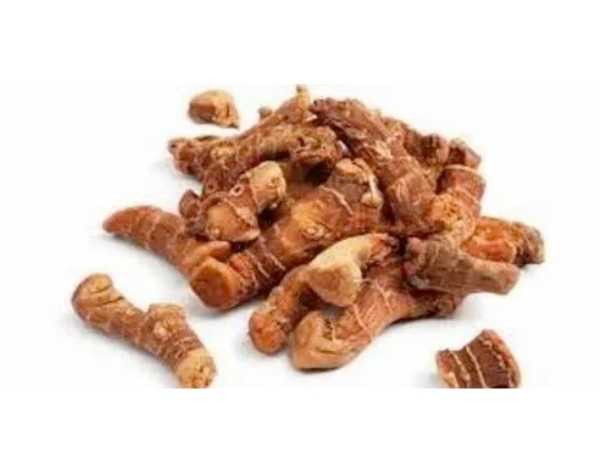
Chitharathai / Lesser Galangal
Alpinia officinarum
Common Names: Lesser Galangal, Chitharathai, Small Galangal
Local Name: Chitharathai (Tamil), Kulanjan (Hindi)
Family: Zingiberaceae
Origin: Southern China; cultivated throughout South and Southeast Asia
Plant Type: Perennial rhizomatous herb
Average Lifespan: Perennial; harvested annually
🌿 Botanical Description
| Growth Habit | Clumping rhizomatous herb; reed-like stems |
| Plant Size | 0.5–1.5 meters tall |
| Leaves | Linear-lanceolate, 20–35 cm long, aromatic when crushed |
| Flowers | White with red-striped lip; in terminal racemes |
| Root System | Horizontal rhizomes; reddish-brown, pungent, aromatic |
☀ Growing Conditions
| Climate | Tropical to subtropical; humid |
| Temperature Range | 20–35°C |
| Soil Type | Well-drained, fertile loamy soil rich in organic matter |
| Soil pH Preference | 5.5–7.0 |
| Sun Requirement | Partial shade to full sun |
| Water Requirement | Moderate; consistent moisture |
| Can it Grow in Pots? | Yes, in medium to large containers |
🌾 Cultivation & Care
| Fertilizer Schedule | Monthly with compost or vermicompost |
| Common Pests | Rhizome rot, leaf blight; generally hardy |
🌱 Pollination & Propagation
| Propagation by Cuttings | Rhizome division; plant 2–3 cm deep with a bud |
🌿 Medicinal Uses
| Digestive Health | Rhizome used for indigestion, flatulence, nausea; key ingredient in Siddha medicine |
| Anti-inflammatory Properties | Contains galangin and kaempferol; anti-inflammatory and antioxidant |
| Immune Support | Used in traditional formulations for respiratory infections and fever |
Disclaimer: Information provided is for educational purposes only and not a substitute for medical advice.
📝 Orchard Observation Notes
Add your field observations here.