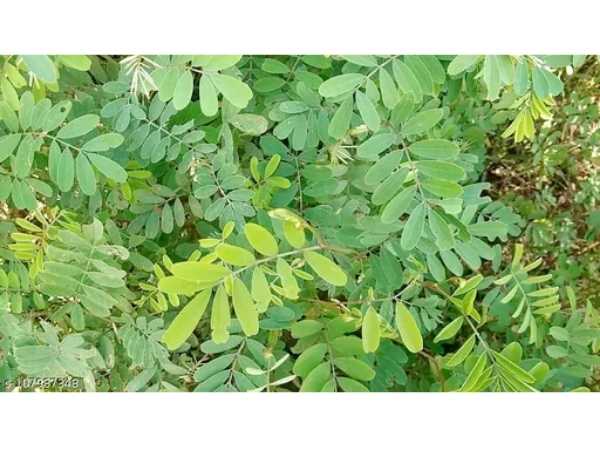
Elumbu Otti Ilai / Bone Joint Leaves
Mukia maderaspatana
Common Names: Bone Joint Leaves, Madras Pea Pumpkin, Elumbu Otti Ilai
Local Name: எலும்பு ஒட்டி இலை (Tamil), Muktavan (Hindi)
Family: Cucurbitaceae
Origin: India, Africa, Southeast Asia
Plant Type: Annual/perennial climbing herb
Average Lifespan: Annual to short-lived perennial
🌿 Botanical Description
| Growth Habit | Slender, hairy climbing herb; uses tendrils to climb |
| Plant Size | Climbs 1–3 meters |
| Leaves | Deeply lobed, rough-textured, hairy; resembles cucumber family leaves |
| Flowers | Small, yellow; male and female flowers on same plant |
| Root System | Fibrous root system; spreads via tendrils and runners |
☀ Growing Conditions
| Climate | Tropical to subtropical; grows in disturbed areas and forest edges |
| Temperature Range | 20–38°C |
| Soil Type | Well-drained loamy soil; tolerates poor soils |
| Soil pH Preference | 6.0–7.5 |
| Sun Requirement | Full sun to partial shade |
| Water Requirement | Moderate; consistent moisture preferred |
| Can it Grow in Pots? | Yes, with a trellis or support |
🌾 Cultivation & Care
| Fertilizer Schedule | Monthly with compost or organic manure |
| Common Pests | Aphids, whiteflies; generally hardy in native conditions |
🌱 Pollination & Propagation
| Propagation by Seeds | Seeds germinate readily; sow directly in well-drained soil |
| Propagation by Cuttings | Stem cuttings can be rooted in moist soil |
💧 Environmental Impact & Sustainability
| Water Usage | Low to moderate; grows naturally in semi-arid regions |
| Biodiversity Benefits | Provides ground cover; small fruits eaten by birds and small animals |
🌿 Medicinal Uses
| Anti-inflammatory Properties | Leaves used for bone fractures and joint pain; applied as poultice to affected areas |
| Digestive Health | Used for skin diseases, wounds, and as an anti-inflammatory in traditional Siddha medicine |
| Immune Support | Whole plant used in folk medicine for fever and as a general tonic |
Disclaimer: Information provided is for educational purposes only and not a substitute for medical advice.
📝 Orchard Observation Notes
Add your field observations here.