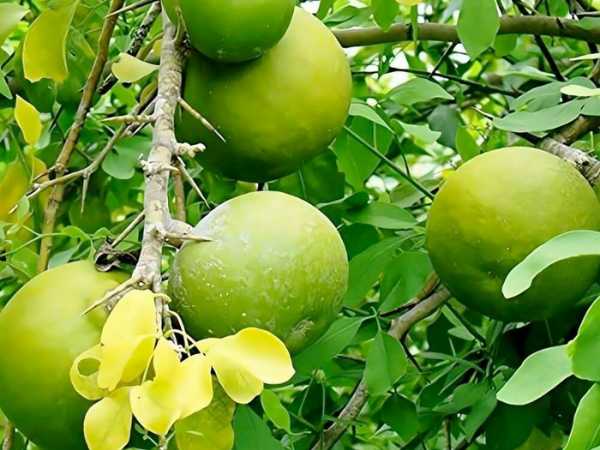
Maha Vilvam / Bael
Aegle marmelos
Common Names: Bael, Bengal Quince, Stone Apple, Maha Vilvam
Local Name: வில்வம் (Tamil), Bel / Bael (Hindi)
Family: Rutaceae
Origin: Indian subcontinent
Plant Type: Perennial deciduous tree
Average Lifespan: Perennial; can live for centuries
🌿 Botanical Description
| Growth Habit | Medium-sized deciduous tree with spiny branches |
| Plant Size | 6–15 meters tall |
| Leaves | Trifoliate, aromatic; sacred in Hindu worship; used in Shiva puja |
| Flowers | Greenish-white, fragrant; in axillary clusters |
| Root System | Deep taproot; highly drought-resistant |
☀ Growing Conditions
| Climate | Tropical to subtropical; tolerates drought and waterlogging |
| Temperature Range | 10–45°C |
| Soil Type | Well-drained loamy or sandy soil; tolerates poor and alkaline soils |
| Soil pH Preference | 5.5–8.0 |
| Sun Requirement | Full sun |
| Water Requirement | Low; highly drought-tolerant once established |
| Can it Grow in Pots? | Yes, when young; needs open ground as it matures |
🌾 Cultivation & Care
| Fertilizer Schedule | Annual compost application; minimal fertilizer needed |
| Common Pests | Fruit fly, leaf caterpillars; generally hardy and pest-resistant |
🌱 Pollination & Propagation
| Propagation by Seeds | Seeds germinate readily; sow fresh seeds in well-drained mix |
| Propagation by Cuttings | Budding and grafting used for true-to-type propagation |
💧 Environmental Impact & Sustainability
| Water Usage | Low; one of the most drought-tolerant fruit trees in India |
| Biodiversity Benefits | Provides shade and habitat; flowers attract bees; fruit eaten by wildlife |
🌿 Medicinal Uses
| Digestive Health | Fruit used for digestive disorders, dysentery, and diarrhea; unripe fruit especially effective |
| Anti-inflammatory Properties | Leaves and bark used for anti-inflammatory and antipyretic properties |
| Immune Support | Rich in vitamins and antioxidants; used in Ayurveda for overall health and immunity |
Disclaimer: Information provided is for educational purposes only and not a substitute for medical advice.
📝 Orchard Observation Notes
Add your field observations here.