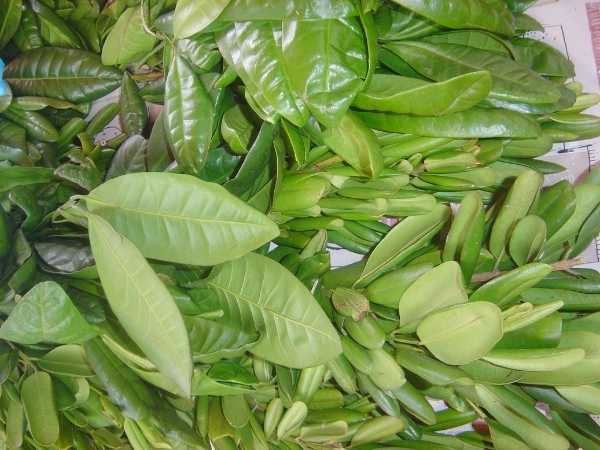
Allspice
Pimenta dioica
Common Names: Allspice, Jamaica Pepper, Pimento, Myrtle Pepper
Local Name: Sarva Masala (Tamil), Kabab Chini (Hindi)
Family: Myrtaceae
Origin: Central America, Caribbean
Plant Type: Evergreen tree, 10–18 m tall
🌿 Botanical Description
| Trunk: | Smooth, grey bark that peels in thin sheets; aromatic wood. Trunk can reach 30 cm in diameter. |
| Leaves: | Opposite, large, oblong-lanceolate, 6–20 cm long, leathery, glossy dark green. Highly aromatic when crushed, releasing a scent combining clove, cinnamon, and nutmeg. |
| Flowers: | Small, white, fragrant flowers in many-flowered axillary panicles. Each flower has four petals and numerous stamens. Dioecious — both male and female trees needed for fruit. |
| Fruit: | Small, round berries about 6 mm in diameter, green when unripe turning dark brown-black. Each berry contains two kidney-shaped seeds. Harvested green for maximum aroma. |
| Root System: | Deep taproot with spreading lateral roots; provides good wind resistance in hurricane-prone regions. |
🌤️ Growing Conditions
| Climate: | Tropical to subtropical; thrives in warm, humid lowland conditions. USDA zones 10–12. |
| Temperature: | 18–30 °C; frost-sensitive. Cannot tolerate temperatures below 5 °C. |
| Rainfall: | 1,000–2,000 mm annually; tolerates seasonal dry periods better than most tropical spice trees. |
| Altitude: | Sea level to 500 m; best performance in lowland tropical areas. |
| Soil: | Well-drained limestone or volcanic soils with pH 6.0–7.5. Tolerates rocky, shallow soils typical of Caribbean islands. |
| Sunlight: | Full sun for best fruiting; tolerates light shade when young. |
🌱 Cultivation & Care
| Propagation: | Seeds (require passage through bird digestive tract or scarification for best germination). Germination takes 1–6 months. Grafting used for sex determination and early bearing. |
| Spacing: | 8–10 m between trees; plant at least one male tree per 10–15 female trees for pollination. |
| Watering: | Regular watering during establishment; mature trees are moderately drought-tolerant. |
| Fertilization: | Apply balanced NPK fertilizer twice yearly. Organic mulching with leaf litter improves soil fertility and moisture retention. |
| Pruning: | Light pruning to maintain shape and facilitate harvesting. Remove lower branches to allow access beneath the canopy. |
| Pests & Diseases: | Relatively pest-free. Occasional rust fungus on leaves; scale insects in humid conditions. The aromatic oils provide natural pest resistance. |
💰 Economic Importance
| Spice Trade: | Jamaica produces 70–80% of the world's allspice supply. Named "allspice" by the English in the 17th century because its flavor resembles a blend of clove, cinnamon, and nutmeg. |
| Essential Oil: | Allspice oil (60–80% eugenol) extracted from berries and leaves; used in perfumery, food flavoring, and as a natural preservative. |
| Culinary Use: | Essential in Caribbean jerk seasoning, mole sauces, Middle Eastern baharat spice blend, Scandinavian baking, and pickling spice mixes. |
| Wood Use: | Aromatic wood used for smoking meats (pimento wood BBQ is a Jamaican tradition) and for making walking sticks and umbrellas. |
💊 Medicinal Uses
| Digestive Aid: | Traditional Caribbean remedy for indigestion, flatulence, and stomach cramps. Eugenol stimulates digestive enzymes. |
| Pain Relief: | Allspice poultice applied topically for muscle aches and joint pain. Eugenol provides analgesic and warming effects. |
| Antimicrobial: | Strong antibacterial properties; traditionally used to preserve food and treat minor infections in Central American folk medicine. |
| Antioxidant: | Rich in polyphenols and flavonoids; allspice extracts show significant free-radical scavenging activity in laboratory studies. |
📝 Orchard Observation Notes
Add your field observations here.