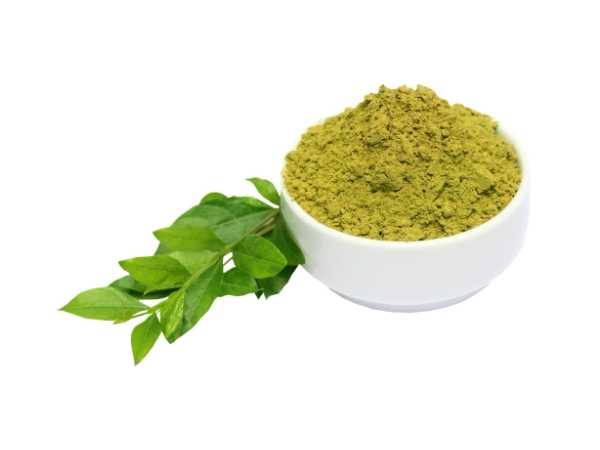
Herbal - Henna / Maruthani
Lawsonia inermis
Common Names: Henna, Maruthani, Mehndi, Mignonette Tree
Local Name: Maruthani (Tamil), Mehndi (Hindi)
Family: Lythraceae
Origin: North Africa, Western and Southern Asia
Plant Type: Shrub / Small tree, 2–6 meters tall
Variety: Single species with regional cultivars
Average Lifespan: 25–50 years
🌿 Botanical Description
| Growth Habit | Multi-stemmed, densely branched shrub or small tree |
| Plant Size | 2–6 meters tall |
| Leaves | Small, opposite, elliptical, 1.5–5 cm long, glabrous, green turning yellow-green |
| Flowers | Small, fragrant, creamy-white to pink, borne in terminal panicles |
| Flower Characteristics | Highly fragrant, 4-petaled, blooms in clusters; attracts pollinators |
| Fruit | Small, round capsule (4–8 mm), brown when ripe, containing many seeds |
| Fruit Color | Green turning brown at maturity |
| Seed Characteristics | Tiny, angular, brownish seeds; numerous per capsule |
| Root System | Deep taproot with extensive lateral roots |
| Bark | Greyish-brown, smooth when young, becoming rough and flaky with age |
☀ Growing Conditions
| Climate | Tropical to subtropical; thrives in hot, arid conditions |
| Temperature Range | 25–45°C ideal; tolerates extreme heat; sensitive to frost |
| Rainfall Requirement | 200–600 mm annually; highly drought-tolerant |
| Soil Type | Well-drained sandy to loamy soil; tolerates poor and alkaline soils |
| Soil pH Preference | 6.0–8.0 |
| Sun Requirement | Full sun (6+ hours daily) |
| Spacing | 1.5–3 meters between plants; closer for hedge planting |
| Irrigation Method | Drip or flood irrigation; minimal once established |
| Water Requirement | Low; very drought-tolerant once established |
| Can it Grow in Pots? | Yes, in large pots (20+ liters); prune regularly to maintain shape |
🌾 Cultivation & Care
| Fertilizer Schedule | Twice yearly — before monsoon and after harvest |
| Recommended Organic Fertilizers | Farmyard manure, compost, neem cake |
| Pesticide Frequency | Rarely needed; naturally pest-resistant |
| Recommended Organic Pesticides | Neem oil spray if needed |
| Mulching Practice | Organic mulch around base to retain moisture in early growth |
| Training System | Can be trained as hedge, bush, or small tree form |
| Pruning Time | After leaf harvest; annual pruning encourages bushy growth |
| How to Prune | Cut back to 30–50 cm from ground level for leaf production; shape as needed for hedges |
| Common Pests | Generally pest-free; occasional leaf-eating caterpillars, aphids |
| Common Diseases | Leaf spot, powdery mildew in humid conditions |
| Disease Prevention & Remedies | Good air circulation, avoid waterlogging, remove infected leaves |
💰 Economic Importance
| Commercial Production Regions | Rajasthan (Pali, Sojat), Gujarat, Madhya Pradesh in India; Egypt, Sudan, Pakistan |
| Market Uses | Body art (mehndi), hair dye, textile dye, cosmetics |
| Processing Uses | Dried and powdered leaves for paste; essential oil from flowers; leather tanning |
| Market Value (Approx.) | ₹50–200 per kg of dried leaf powder; premium organic henna commands higher prices |
🌿 Cultural Significance
| Symbolism | Symbol of celebration, beauty, and good fortune in South Asian and Middle Eastern cultures |
| Traditional Uses | Bridal mehndi art in weddings; applied during festivals like Karva Chauth, Eid, and Diwali; cooling agent in hot climates; used in religious ceremonies |
| Historical Significance | Used for over 5,000 years across North Africa, Middle East, and South Asia; mentioned in ancient texts and found in Egyptian mummies |
🌿 Medicinal Uses
| Skin Care | Leaf paste applied to treat skin conditions, burns, and wounds; natural cooling agent |
| Hair Care | Natural hair conditioner and dye; strengthens hair, reduces dandruff |
| Anti-inflammatory Properties | Leaf paste reduces inflammation; traditionally applied to soles of feet to reduce body heat |
| Antifungal & Antibacterial | Lawsone compound has proven antifungal and antibacterial properties |
| Traditional Medicine | Used in Ayurveda and Unani medicine for headaches, fever, and joint pain |
Disclaimer: Information provided is for educational purposes only and not a substitute for medical advice.
📸 Photo Gallery
📝 Orchard Observation Notes
Add your field observations here.